
Orthodontic treatment has come a long way over the years, providing individuals with a variety of options to achieve a straighter and healthier smile. Two of the most popular choices for orthodontic treatment are invisible braces and traditional braces. Each option has its own set of advantages and disadvantages, making it essential to understand the key differences between them. In this article, we’ll explore the world of orthodontics and help you determine which treatment option might be the best fit for your unique needs, all while addressing the common question, “Do braces hurt?“
Understanding Orthodontic Treatment
Before delving into the specifics of invisible braces and traditional braces, let’s take a moment to understand the purpose of orthodontic treatment.
Orthodontic treatment is designed to correct misaligned teeth and jaw issues. It aims to improve not only the aesthetics of your smile but also the functionality of your bite. Properly aligned teeth are easier to clean and maintain, reducing the risk of dental problems like cavities and gum disease. Additionally, orthodontic treatment can enhance your overall oral health and boost your self-confidence.
Traditional Braces
Traditional braces have been a trusted orthodontic solution for many decades. Here are some key features of traditional braces:
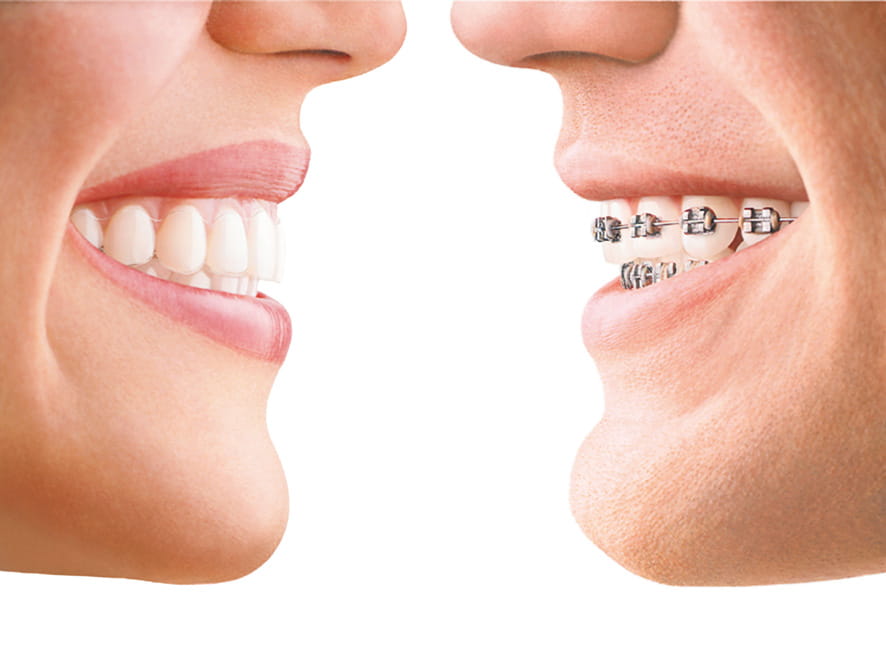
- Visibility: One of the most significant drawbacks of traditional braces is their visibility. They consist of metal brackets and wires that are easily noticeable when you smile or speak.
- Treatment Time: Traditional braces are often worn for an average of 18 to 36 months, depending on the severity of the misalignment.
- Adjustments: Regular visits to your orthodontist are required for adjustments and tightening of the wires.
- Diet Restrictions: Patients with traditional braces are advised to avoid certain foods that could damage the brackets or wires, such as sticky candies and hard nuts.
- Oral Hygiene: Proper oral hygiene can be more challenging with traditional braces, as food particles can easily get trapped in the brackets and wires.
Invisible Braces
Invisible braces, also known as clear aligners, represent a more discreet alternative to traditional braces. Here’s what you need to know about them:
- Visibility: As the name suggests, invisible braces are virtually invisible when worn. They are made of clear, medical-grade plastic that fits snugly over your teeth.
- Treatment Time: The duration of treatment with invisible braces varies but typically ranges from 6 to 24 months, depending on the complexity of the case.
- Adjustments: Unlike traditional braces, invisible braces do not require frequent in-person adjustments. Instead, you receive a series of aligners, each slightly different from the previous one, which gradually shift your teeth into the desired position.
- Diet Restrictions: There are no dietary restrictions with invisible braces, as you can remove them while eating.
- Oral Hygiene: Maintaining good oral hygiene is relatively easier with invisible braces, as you can remove them to brush and floss your teeth.
Which Is Right for You?
Now that you have a better understanding of both treatment options, it’s time to decide which one is right for you. Consider the following factors:
- Visibility Concerns: If you’re self-conscious about the appearance of braces and prefer a more discreet option, invisible braces might be the way to go.
- Treatment Duration: If you’re looking for a shorter treatment time and fewer in-person appointments, invisible braces may be a more attractive choice.
- Orthodontic Needs: The complexity of your orthodontic issues plays a crucial role in determining the most suitable treatment. While invisible braces work well for mild to moderate cases, traditional braces may be necessary for severe misalignments or jaw issues.
- Oral Hygiene and Dietary Preferences: If you want a treatment option that allows for easier oral hygiene maintenance and no dietary restrictions, invisible braces offer this convenience.
- Cost Considerations: Cost can be a significant factor. Traditional braces are often more affordable than invisible braces, but it’s essential to weigh the costs against the benefits of each option.
- Comfort: Some people find invisible braces more comfortable to wear than traditional braces, as they lack the wires and brackets that can cause discomfort or irritation.
Consultation with an Orthodontist
Ultimately, the best way to determine the right orthodontic treatment for you is to consult with an experienced orthodontist. They will thoroughly evaluate your orthodontic needs, discuss your preferences, and provide personalized recommendations based on your unique situation.
Conclusion
Invisible braces and traditional braces both offer effective solutions for achieving a straighter smile and improved oral health. The choice between the two comes down to your individual preferences, budget, and orthodontic needs. To make an informed decision, consult with an orthodontist who can guide you towards the treatment option that will help you achieve the smile you’ve always wanted. Whether you choose the discreetness of invisible braces or the reliability of traditional braces, the end result will be a healthier and more confident you.
